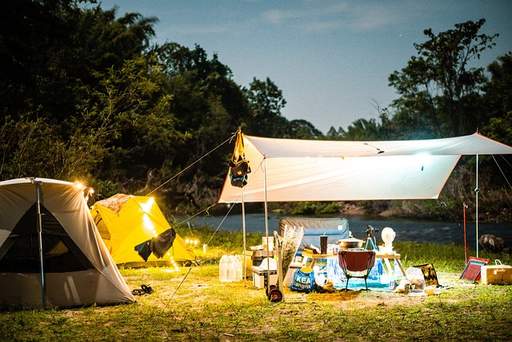
Camping trips in France were a large part of my childhood. My dad would bemoan having to wear Speedos over “normal” swimming shorts in the campsite swimming pool; Mum would read the paper road map wrong, taking us on a convoluted detour; and I’d make a bunch of new French friends I couldn’t communicate with. Despite the occasional mishap, these trips were filled with unforgettable moments and a deep connection to nature.
France does campsites exceptionally well. You can camp in the most unexpected of places, like central Paris, or a stone’s throw from Disneyland, just as you can pitch up in the middle of the mountains, or on the banks of Lake Annecy. Camping doesn’t necessarily mean roughing it under canvas though: glamping has become increasingly luxurious, with giant structures and five-star facilities. Many campsites come with ready-erected tents, static caravans, and mobile homes. If you love the outdoors but hate the hassle that comes with it, you’re covered in France.
Brands like Eurocamp, Yelloh! and Huttopia have sites all over the country. Eurocamp caters largely to families with packed daily activity schedules, Yelloh!’s “villages” generally have all the home comforts you could want, and Huttopia is all about barefoot luxury. CampingFrance.com is a good way to find smaller, independent campsites, with 9,000 listings.
Paris
Capfun Freland
Best for Disneyland
Just 30 minutes by road from Disneyland Paris, Capfun Freland is a little like a theme park itself, with several swimming pools, water slides, ping-pong tables, and a football pitch – plus a kids’ club four days a week. Book the Mad Magician’s house (sleeps four), a topsy-turvy house bigger on the first floor than the ground floor. It’s also an hour’s drive from Parc Asterix. From £236 a week for two.
Camping de Paris
Best for a city break
In the Fifties, my dad pitched his tent in a bombed-out cemetery near the Arc de Triomphe. These days, wild camping in central Paris wouldn’t be tolerated. Fortunately, Camping de Paris, on the edge of Bois de Boulogne, is open year-round. It’s a bit of a faff for the metro (bus 244 to Porte Maillot station; 10 minutes), but where else could you stay in Paris and pay less than an Eiffel Tower entry ticket? From £27 for two per night.
Northeast
Domaine d’Haulmé
Best for a short journey
Green, laid-back, and with a gorgeous mix of Flemish and French architecture, the Ardennes is made for peaceful and cheap family camping trips, easy to reach from the UK by ferry or Le Shuttle. Haulmé has all the regular accommodation choices — tent pitches and chalets — plus bell tents, tiny houses, vintage caravans, and geometric domes. Hire kayaks on-site to cruise down the River Semois. From £9 per night.
Northwest
Camping Sandaya l’Anse du Brick
Best for outdoor activities
A stone’s throw from the Cotentin Peninsula’s beaches, choose from sea view villas, light wood chalets, or two-floor safari-style lodges with canvas roofs at Camping Sandaya. The pull is the outdoors. There’s no nightlife, but plenty of hiking, cycling, and water sports. Direct UK ferries arrive in Cherbourg. From £45 for two nights (minimum stay).
Yelloh ! Village Camping les Mouettes
Best for spa treatments
Half-campsite, half-spa, Les Mouettes has a balneotherapy pool (using natural mineral waters and mud), massage rooms, and a restaurant that wouldn’t look out of place at Soho Farmhouse. The splintered and dramatic Breton coast that greets you when you unzip the awning. Tent pitches come with private bathrooms. From £69 for two nights (minimum stay).
Lodg’ing Nature Camp Crozon
Best for small-site charm
A tiny campsite with just 19 festival-style bell tents and panoramic, sunset-facing sea views. Lodg’ing is a sociable little place, with breakfast served in the open-sided gazebo. Tents are very spacious and dazzlingly white, and there’s a little beach and lido at the bottom of the hill. From £114 for two nights (minimum stay).
Un Lit au Pré, La Ferme de Penquelen Huella
Best for farm vibes
If the idea of a bucolic farmyard appeals, book a stay at Un Lit au Pré. There’s no Wi-Fi, but there are cows, chickens, goats, sheep, geese, ducks, pigs, dogs, and… guinea pigs. The cosy lodges with canvas roofs at Un Lit au Pré look like little farmhouses, and you can play at being a farmer too by mucking in with feeding the farm animals, and eating produce straight from the farm shop. From £292 for two nights (minimum stay).
Central France
Huttopia Senonches
Best for upgraded activities
This couldn’t feel further from Paris, yet it’s only 90 minutes away. Forested, on the banks of a lake, and with wood-fired hot tubs and activities like basketry, going to Huttopia Senonches is like going to a middle-class festival rather than camping. Just beware extortionate cleaning fees; £76 for as little as a two-night stay, unless you do your own end-of-tenancy deep clean. From £120 per night.
Camping Le Capeyrou
Best for reliable weather
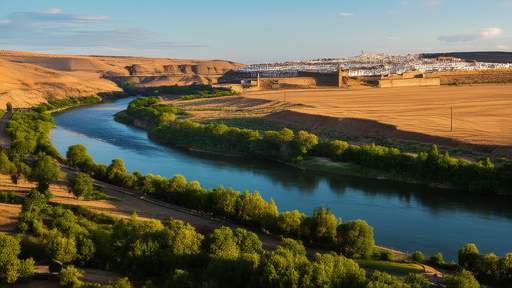
If there’s anywhere perfectly geared to camping in France, it’s the Dordogne. Impossibly green, but with more reliable weather than Brittany, and plenty of forests, rivers, and vineyards, four walls are obsolete here. Neatly slotted between Beynac-et-Cazenac’s magnificent château and the River Dordogne, at Le Capeyrou you can pretty much access your plot by kayak. From £45 for two nights (minimum stay).
Camping Huttopia Lac de la Siauve
Best for cheese lovers
Choose between the (chilly) lake and the (heated) swimming pool after a day of consuming some of France’s finest cheeses in the Cantal region. There’s plenty for all the family at Camping Huttopia Lac de la Siauve, including a treetop adventure park, and an activities schedule that includes fishing, guided walks, and regular concerts. The chalets and trapper tents are pure glamping, there’s no roughing it. From £13 per night.
Southwest
Camping Marvilla Parks – Atlantic Club Montalivet
Best for beach access
Spilling directly onto the beach in Gironde, this Eurocamp site has mobile homes, chalets, and tents (including two-storey tents). Throughout summer, there’s a packed activities schedule, with game nights, live music, and aqua aerobics. The enormous beach on the doorstep has all manner of water sports. From £139 per person per week (three-night stays also available).
Vegan Surf Camp
Best for surfing
It’s surprising that a vegan campsite exists in France. Naturally, this one in Moliets-et-Maa in Nouvelle-Aquitaine in southwestern France comes with surfing or yoga packages (or both, if you’re perfectly in balance). The camp also runs vegan cooking classes and gives free journaling books with yoga package sign-ups. It’s a unique lifestyle, but you’ll certainly feel better at the end of your stay. From £408 per week with meals, excluding activities.
Camping Cabaliros
Best for mountain landscapes
The perfect hiker’s hangout in the heart of the Pyrénées has a plethora of trails and mountain lakes on its doorstep. Camping Cabaliros stays open in winter (mobile homes only), and is only a two-minute drive from Cauterets ski resort. Twitchers will have a field day: frequent sightings include eagles, barn owls, and kingfishers. From £12 per night.
The Alps
Camping le Lac Bleu
Best for adventure
Mountain hikes, paragliding, pedalos on the lake, and boat trips… Lake Annecy is nature on steroids, and allegedly has the cleanest water in Europe. If you’re looking to escape the UK’s sewage-ridden coast, you could do worse than camping at Camping le Lac Bleu by Lake Annecy, whose wooden jetty points right out towards the mountains. The swimming pool is a welcome alternative to the glacial lake. From £22 per night.
Camping de la Meije
Best for hiking
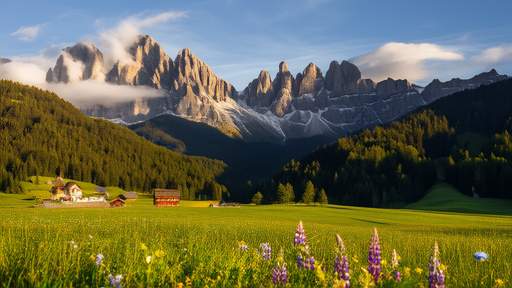
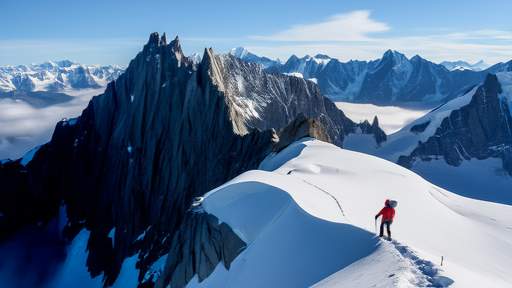
Most people associate La Grave with skiing, but in the summer it’s a great base for numerous hikes, including the 14-day Tour des Écrins, and has excellent cheese shops to fuel your hunger. At Camping de la Meije, there’s a small playground, a swimming pool, and a mini-golf course, but the reason you’d really stay here is for the views, the perpetually snow-covered peaks of the Écrins. From £19 per night.
Camping Valbonheur
Best for cooler temperatures
Another campsite gloriously sandwiched between lake and mountain, Camping Valbonheur stays cool even in the height of summer. Their “igloos” (domed wooden huts that look like the top half of a wooden caravan) are very picturesque, if not particularly spacious. There are also lodges, chalets, and some rather spectacular safari tents, which open up right onto the ponds (pack mosquito spray). From £12 per night.
The Mediterranean
Camping Domaine de la Bergerie
Best for intimacy
Between Vence and the picture-perfect artist’s town, Saint-Paul-de-Vence, the stone buildings of Camping Domaine de la Bergerie look like the Provence of yesteryear. It has been running for over 70 years, and its recipe for success is having the best of all worlds. It’s small enough to feel intimate, but also has a shop, restaurant, and swimming pool – plus the beach is just a 20-minute drive away. From £16 per night.
Nova Lodges
Best for glamping
Calling anyone who hates camping, there are no tents, only lodges, begging the question, what is a campsite? When it’s packaged like this, with a palm-fringed swimming pool and direct beach access, it’s more upmarket than many hotels. Beachside accommodation facing St Tropez, each lodge has a fully-equipped kitchen, private patio with sun loungers, and two bathrooms – Nova Lodges is camping bragging rights with none of the fuss. From £500 per week.
Yelloh ! Village Le Sérignan Plage
Best for extra activities
You could easily spend a week here and not leave the campsite. Le Sérignan Plage boasts gym classes, tennis and padel courts. There’s nightly entertainment, and everything from fencing to baking classes for kids. Tempting though it is, make the effort to leave; the local beaches are lovely and unspoilt (although many are designated nudist beaches). From £183 per week (shorter stays also available).
Corsica
Camping L’Oso Porto-Vecchio
Best for calm atmosphere
Set back from the coast, this campsite is a haven of calm, even in the height of summer. Chalets, mobile homes, and tent pitches at Camping L’Oso are well spaced, with plenty of trees for privacy. The best pitches and chalets look directly over the River Oso. Check in for as long as possible; the myriad of activities on offer nearby range from canyoning and diving to horse riding along the beach. From £153 per week.
Camping in France offers a unique blend of natural beauty, cultural richness, and culinary delights. From the bustling city of Paris to the serene landscapes of the Alps, every corner of France tells a story. Whether you’re a history buff, a nature lover, or a food enthusiast, this country has something to offer everyone. Rich in history, culture, and natural beauty, France deserves a spot on everyone’s travel list.
By William Miller/Jun 4, 2025
By Christopher Harris/Jun 4, 2025
By Samuel Cooper/Jun 4, 2025
By Sophia Lewis/Jun 4, 2025

By Eric Ward/Jun 4, 2025
By Amanda Phillips/Jun 4, 2025
By Samuel Cooper/Jun 4, 2025
By Natalie Campbell/Jun 4, 2025
By Samuel Cooper/Jun 4, 2025
By Grace Cox/Jun 4, 2025
By David Anderson/Jun 4, 2025
By Jessica Lee/Jun 4, 2025
By Emma Thompson/Jun 4, 2025
By Grace Cox/Jun 4, 2025